
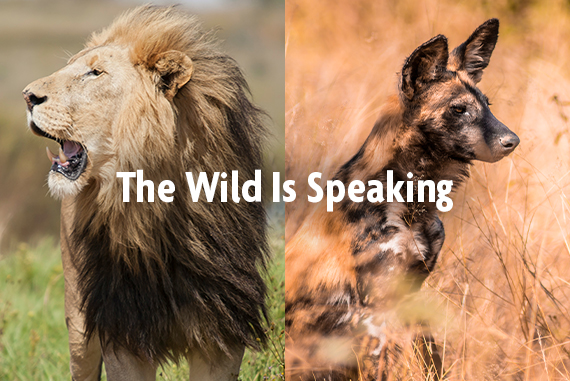
To us, a lion’s roar or the sneeze of an African wild dog may sound like just another noise from the bush. To them, each sound can carry meaning.
Lions use their roars to communicate across territories and within their prides. Research has found that a lion’s full-throated roar can be individually recognisable, meaning it may reveal not only that a lion is present, but which lion is calling.
African wild dogs communicate in an equally surprising way. Before a pack moves, the dogs gather in energetic social rallies. During these gatherings, their sneezes can build towards a collective decision: the more sneezes heard, the more likely the pack is to move. In effect, every sound helps move the pack forward.
These discoveries remind us that the wild is not voiceless. Its animals communicate, respond, make decisions and maintain strong social bonds. When a species disappears, we lose more than a number. We lose voices, relationships and behaviours that may never be heard again.
This August, World Lion Day on 10 August and World African Wild Dog Day on 26 August give us an opportunity to listen more closely and recognise what is at risk.
The wild is speaking. We must act before silence takes its place.
Donate to The Boucher Legacy and help keep the wild speaking.

